

The differences between Korean and Japanese cosmetics and the question of whether they really suit European skin types
In recent years, beauty has become a global language. The same routines, the same products, and the same skin ideals travel from Seoul and Tokyo to Athens and Paris. From beauty e-shops to Greek pharmacy shelves, K-Beauty and J-Beauty are often promoted as almost «universal solutions» for healthy and glowing skin.
But behind the aesthetic perfection of glass skin visuals and the simple elegance of Japanese packaging, a reasonable question arises. Are these philosophies truly designed for every skin type or are they simply being touted as ideals?;
Two schools, two ways of thinking
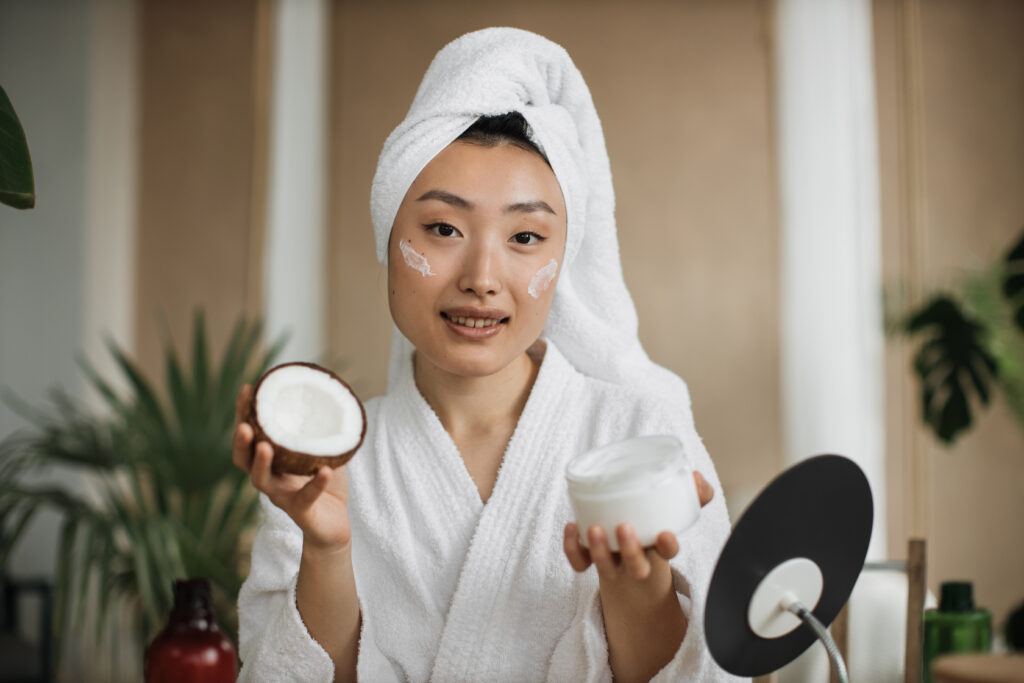
The Korean approach to beauty is based on the concept of continuous improvement. The skin is not treated as something static, but as a living organism that evolves daily. Multi-layered routines, essences, ampoules and masks are not just products, they are tools that gradually build a result. K-Beauty does not promise instant transformation, it promises a process.
In contrast, J-Beauty operates on a philosophy of abstraction. Fewer steps, fewer products, more consistency. Skin is seen as something to be protected and maintained, not constantly «fixed.» The concept of prevention is paramount and technology functions supportively, not ostentatiously.
So far, the differences are clear and often romanticized. But the real debate begins when these philosophies are taken outside of Asia.
Asian vs. European skin: a discussion that is often avoided
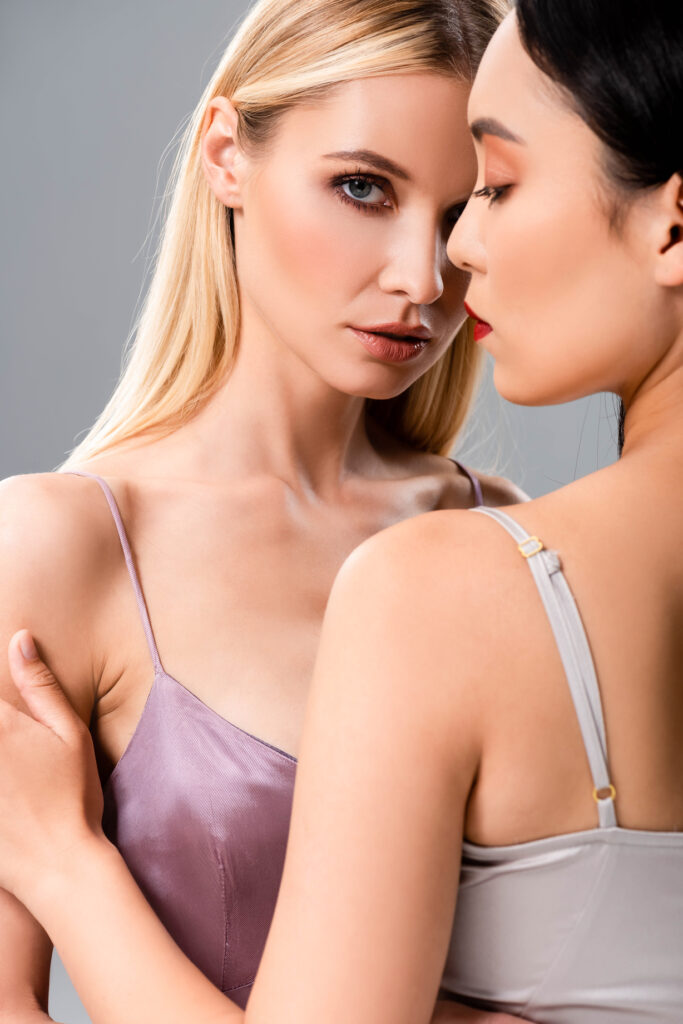
Asian skin generally exhibits different characteristics than European skin. It usually has a denser structure, increased oiliness, a different melanin distribution and is often less prone to premature aging, but is more prone to hyperpigmentation.
On the contrary, European and especially Mediterranean skin types are more exposed to intense sunlight, more often experience dehydration, sensitivity and more pronounced expression lines. The environment, diet, climate and lifestyle play a decisive role.
And this is precisely where the contradiction arises:
many Asian routines are designed for different needs than those faced by a European complexion.
When more doesn't necessarily mean better
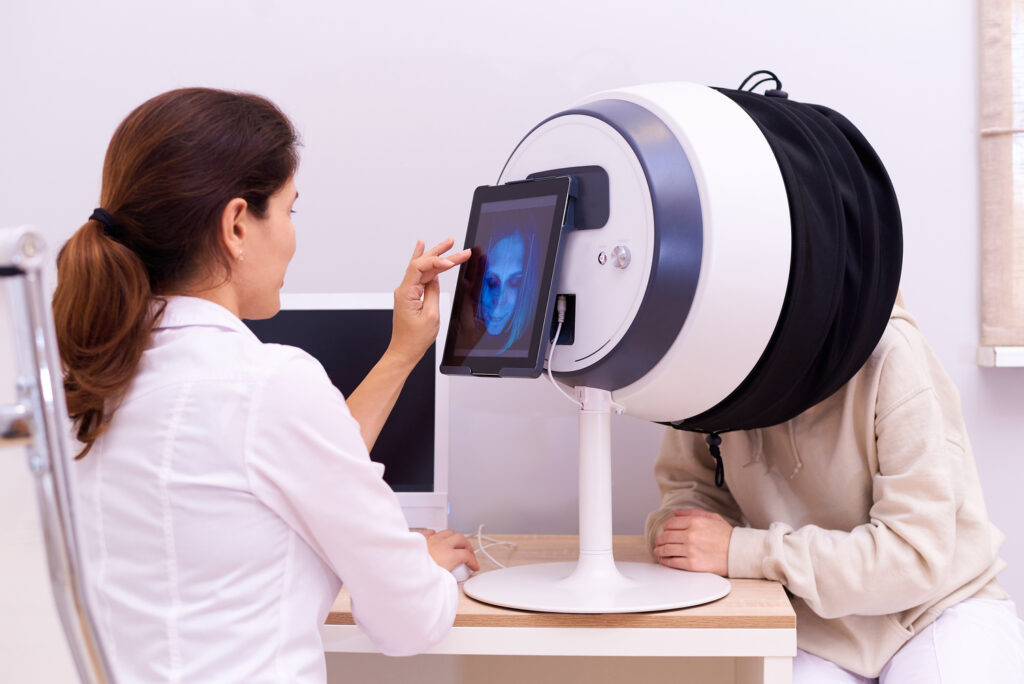
K-Beauty's multi-step routines are often touted as the ultimate skincare ideal. But for European skin, especially in conditions of heat, pollution, and intense sun, excessive layering of products can lead to congestion, sensitivity, or even dysregulation of the skin barrier.
The idea that more steps means better results is not always true. In many cases, the skin needs simplicity, correct selection of active ingredients and customization, not a faithful copy of a routine created for a different environment and genetic background.
Similarly, J-Beauty, although closer to the philosophy of austerity, is often based on very light textures that are not always sufficient for the needs of drier or dehydrated European skin.
The problem isn't the products, it's the way we adopt them
The success of K-Beauty and J-Beauty in Europe is no coincidence. Innovation, high expertise, excellent formulas and competitive prices are undeniable advantages. The problem begins when these philosophies are presented as a one-way street.
Beauty is not copy-paste. It doesn't work with universal rules. What works on the skin of a 25-year-old woman in Seoul, is not necessarily ideal for a 25-year-old in Athens, Paris or Stockholm.
The real luxury today is not the quantity of products, but the understanding the skin.
In the end, what are we holding?;
Perhaps the most mature approach is not to choose a "camp", but to borrow elements. From K-Beauty, the importance of hydration, consistency and care.
From J-Beauty, the philosophy of simplicity, prevention and respect for time.
Or maybe the point isn't to choose between K-Beauty and J-Beauty, but to learn to filter. To keep what serves our own skin, in our own climate, in our own daily life. Because true progress in beauty lies not in adopting a global trend, but in returning to the personal knowledge of our own skin.