


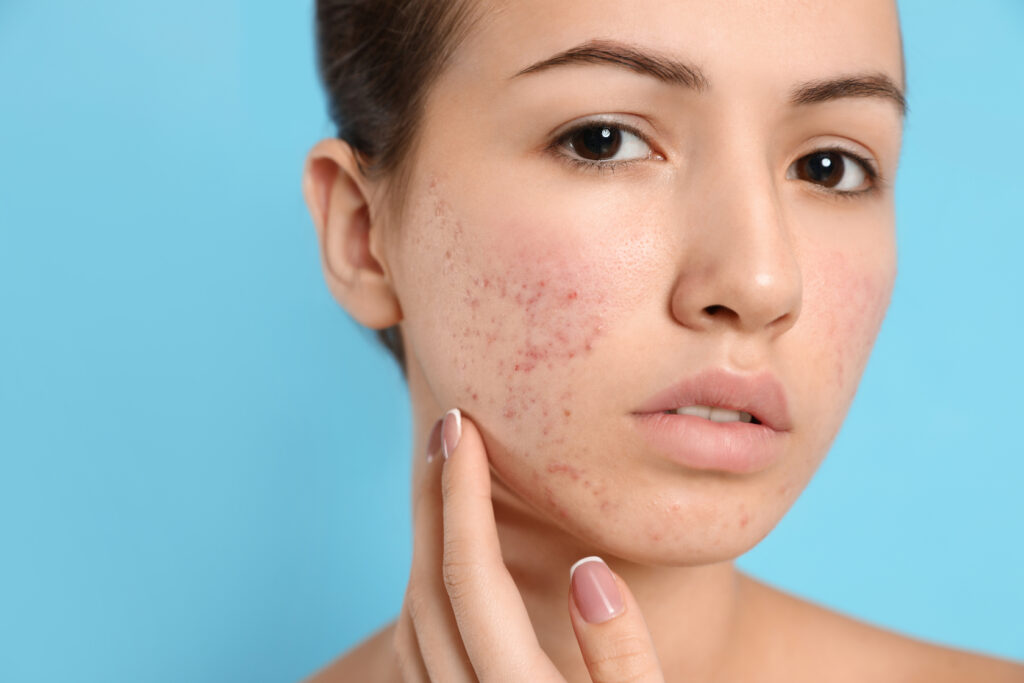
Acne is a multifactorial dermatological condition that affects millions of people of all ages. Although traditionally associated with adolescence, in recent years its incidence has increased in adults, mainly due to hormonal fluctuations, stress, environmental factors and modern dietary habits.
How to fight acne naturally: What the experts say
Alongside medical treatments, more and more people are turning to natural ways to support their skin. Experts agree that natural methods can work as an adjunct, as long as they are applied correctly and with knowledge.
Natural ingredients with a scientific basis
The foundation of any acne treatment routine is gentle yet effective cleansing. Overuse of harsh cleansers can strip the skin of its natural lipids, leading to irritation and reactive oiliness. Plant-based ingredients like aloe vera, chamomile, and green tea have been studied for their soothing and antioxidant properties. They help reduce inflammation and maintain a balanced skin microbiome, which plays an important role in skin health.
Another natural ingredient that has attracted the attention of the scientific community is honey, especially manuka honey. Research has shown that it has antibacterial activity against microorganisms associated with acne, while also enhancing skin healing. When used in the form of a mask, it can help reduce redness and improve skin texture.
Handmade masks: what's safe and what to avoid
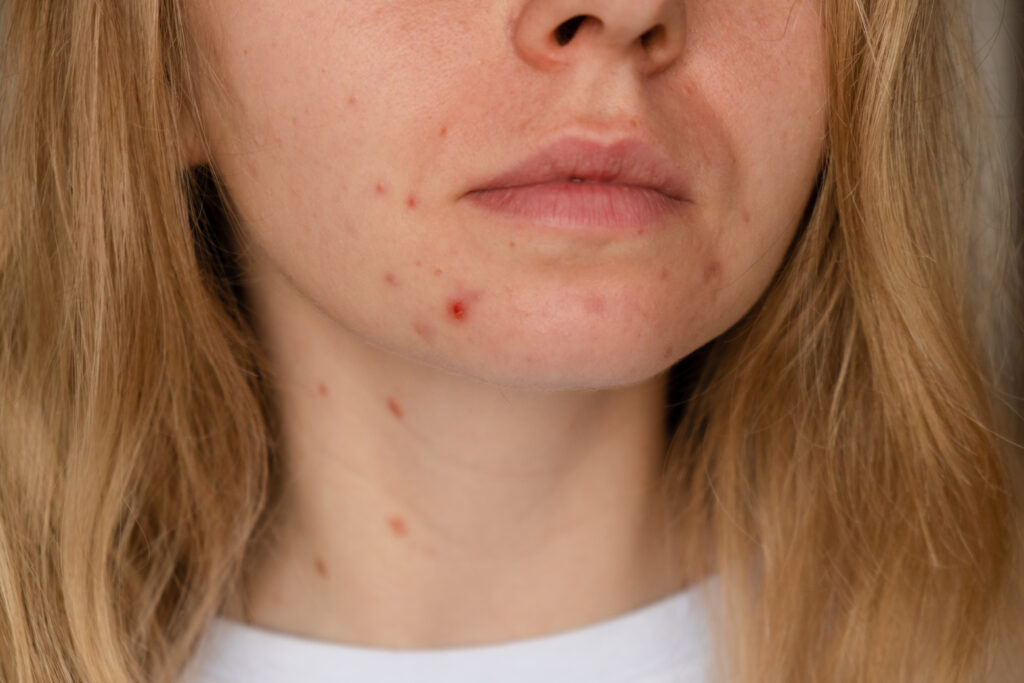
However, experts point out that homemade masks should be applied with caution. Using natural ingredients does not necessarily mean that they are always safe for all skin types. Ingredients such as lemon, baking soda or essential oils in high concentration can cause irritation, burns or disrupt the natural pH of the skin. For this reason, it is recommended that DIY recipes be simple, mild and tested first on a small area of the skin.
Tea tree oil is one of the most studied natural antiseptics for acne. Clinical studies have shown that it can reduce the number of inflammatory lesions when used correctly. However, it is a highly concentrated essential oil that should always be diluted before application to avoid adverse reactions.
Diet and lifestyle in acne management
Diet is also an important factor in acne management. Current scientific research links high consumption of foods with a high glycemic index, such as refined sugars and white flour, to worsening acne. Conversely, a diet rich in antioxidants, fiber, and good fats, such as omega-3s, appears to help reduce inflammation and improve the appearance of the skin.
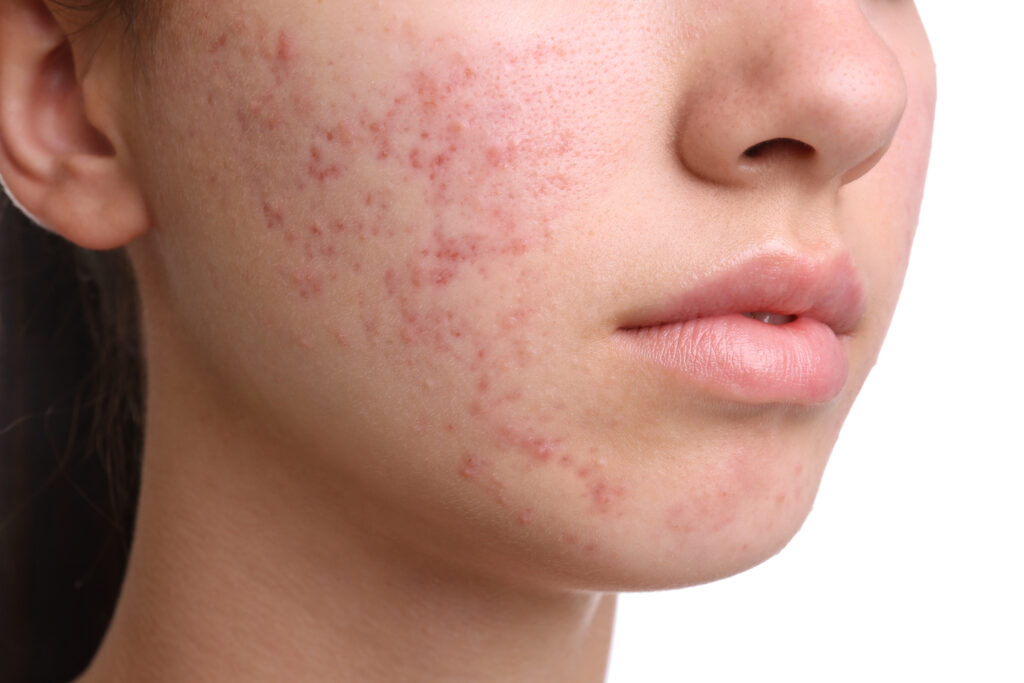
Lifestyle also plays a key role. Chronic stress increases cortisol production, which directly affects the sebaceous glands. At the same time, lack of sleep limits the skin's ability to renew and heal. Adopting relaxation practices and ensuring quality sleep are key steps in a holistic approach to acne.
Although natural remedies can be helpful, experts emphasize that they are not a substitute for diagnosis and treatment by a dermatologist. Each form of acne has different causes and requires an individualized approach. In cases of persistent, severe, or painful acne, a visit to a specialist is necessary to avoid complications, such as scarring or chronic inflammation.
Natural acne treatment can be a valuable part of your daily skincare routine when it's based on knowledge rather than exaggeration. With gentle practices, attention to DIY recipes, and guidance from healthcare professionals, it's possible to boost skin health in a safe and effective way.
READ ALSO...

Why We Love the Power Pixie – The Haircut That Expresses Strength, Style, and Confidence
Power Pixie is the [...]

49th Cosmoestetica – Where professional aesthetics meets its future
The 49th Cosmoestetica returns for [...]
K-Beauty & J-Beauty: When global beauty is not one-size-fits-all
The differences between Korean [...]