



Forget harsh peels and excessive doses of retinol. 2026 demands a routine that puts the health of the skin barrier as an absolute priority. Because strong skin is, above all, beautiful skin.
For a long time, the beauty industry convinced us that in order to see results, our skin had to «suffer.» Redness, peeling, and irritation were considered the hallmarks of an aggressive routine. However, dermatological science is now sounding the alarm: the skin barrier is our most precious fortress, and its breakdown is the number one cause of premature aging, acne, and sensitivity.
What is the skin barrier and why do we need it?;
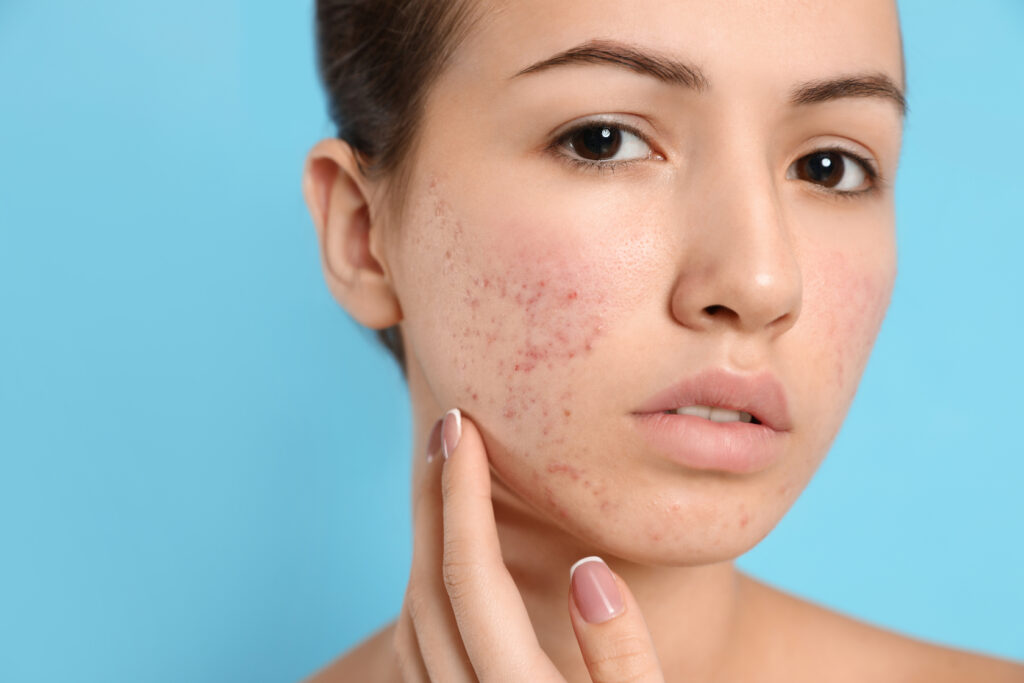
Imagine your skin as a brick wall. The bricks are keratinocytes and the «cement» that holds them together is lipids (ceramides, cholesterol, fatty acids). When this wall is solid, moisture stays trapped inside and external invaders like bacteria, pollutants, and allergens stay outside.
But when the barrier is disrupted by over-cleansing or the use of inappropriate products, the cement «cracks.» The skin loses water (transdermal water loss – TEWL), becomes rough, dull and prone to inflammation. The Barrier-First approach comes to correct these cracks before they even appear.
The Key Ingredients of the New Era
In a “Barrier-First” routine, the protagonists change. We are no longer just looking for the ingredient that will «burn» the pimples, but the one that will «feed» the skin.
Ceramides: They are the 50% of the skin barrier composition. In 2026, formulas become smarter, using bio-identical ceramides that are instantly recognized by the skin.
Ectoine: The new “it” ingredient. A natural molecule that protects cells from oxidative stress and temperature, creating a protective layer of water around them.
Probiotics and Metabiotics: The balance of the microbiome is inextricably linked to the barrier. Good bacteria are the "guardians" that prevent inflammation.
Squalane: A lightweight lipid that mimics the skin's natural sebum, providing hydration without clogging pores.
How is a Barrier-First Routine built?;
Transitioning to this philosophy requires a skin minimalism mindset.
Step 1: Gentle Cleansing
Stop using cleansers that leave your skin squeaky clean. Choose creamy textures or cleansing oils that remove impurities without stripping the skin of its natural oils.
Step 2: Micro-layering
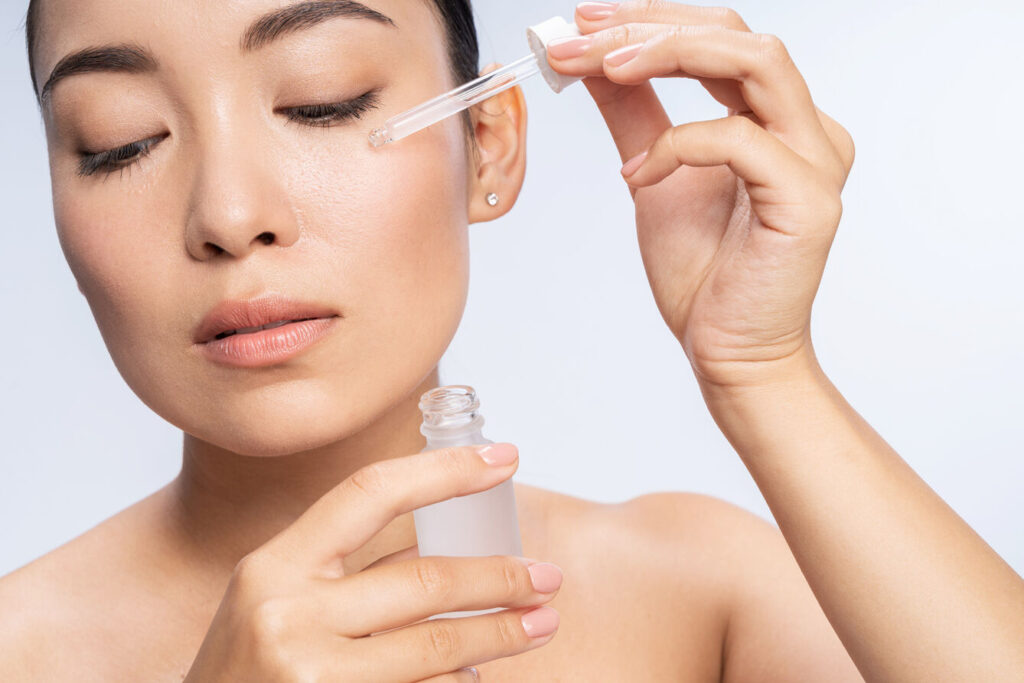
Instead of a heavy cream, use thin essences and serums with hyaluronic acid or panthenol. Moisture should penetrate deep, not just sit on the surface.
Step 3: The Sealing
This is where barrier cream comes in. Look for products labeled “Barrier Repair.” Their texture is rich yet absorbable, and their role is to act as a «second skin» that protects your natural one.
Step 4: Smart use of active ingredients
We’re not abandoning retinol or acids, but we’re using them wisely. The “Skin Cycling” method, using active ingredients only 2 nights a week and focusing on repair the rest of the time, is the cornerstone of the Barrier-First culture.
The Psychology of “Calm” Skin
There is a deep connection between the state of our skin and our mental well-being. Skin that is constantly tight, tingly, or red sends stress signals to the brain. Conversely, the feeling of hydrated, supple skin triggers a subconscious sense of well-being. The Barrier-First routine is, in essence, a form of meditation for your face.

The Future: Personalized Barrier Care
As we head towards the end of 2026, technology will allow us to measure our skin barrier levels via our smartphone. Personalization will reach such a point that we will know exactly which lipid we are lacking at any time of year.
Until then, the rule remains simple: Listen to your skin. If it's irritated, it doesn't need more "corrective" action. It needs embrace, protection, and a Barrier-First approach.
READ ALSO...
Ageless Future Night Cream: The "ritual" of regeneration that our skin loved
When we talk about skin care during [...]

The story of E.K. — «The lines I loved late»
A tender confession about the transition from insecurity to acceptance. [...]

At-Home Scalp-Facials: Why Scalp Care is the New Skincare
Hair care changes level and focuses where it begins [...]